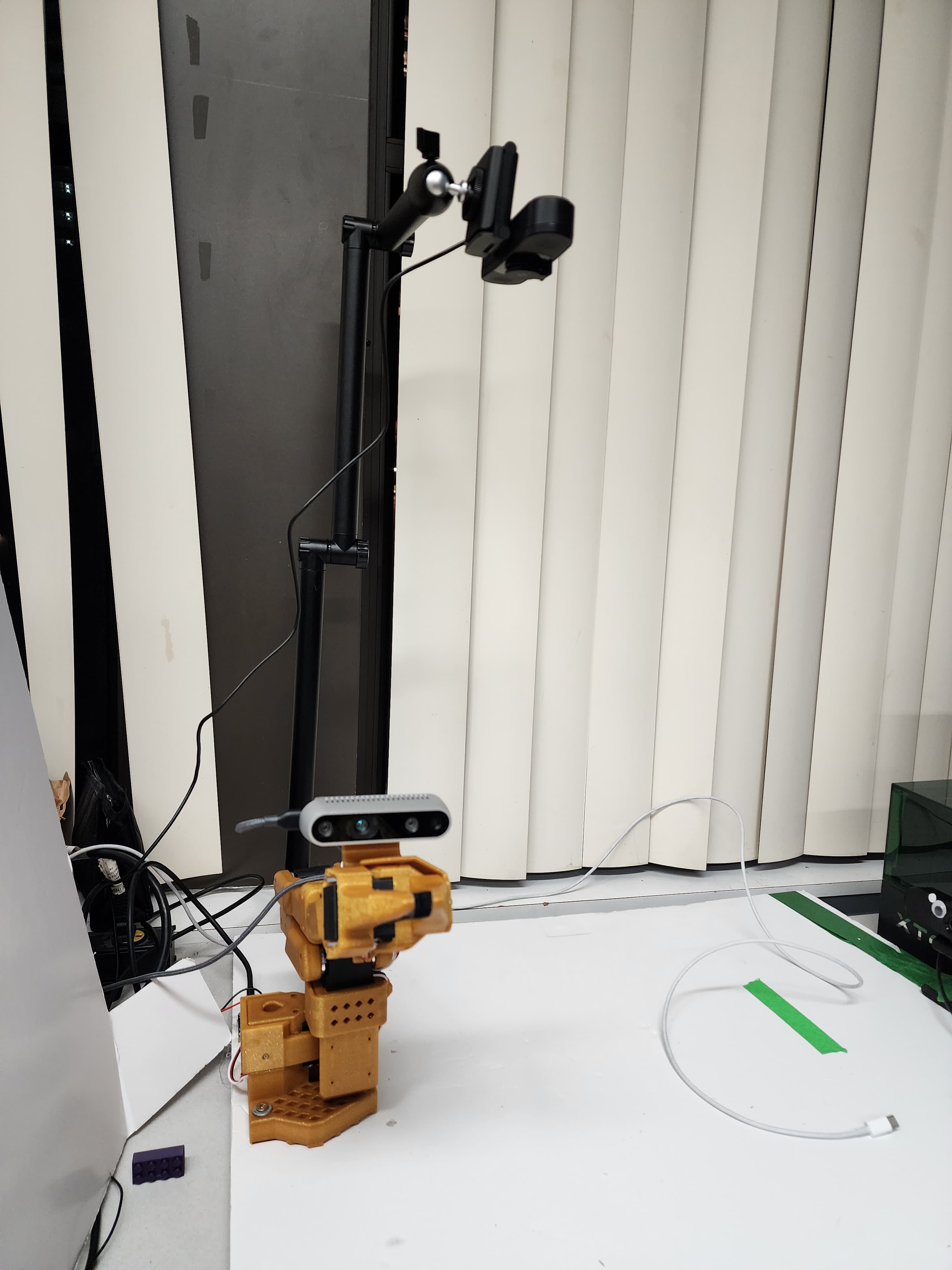
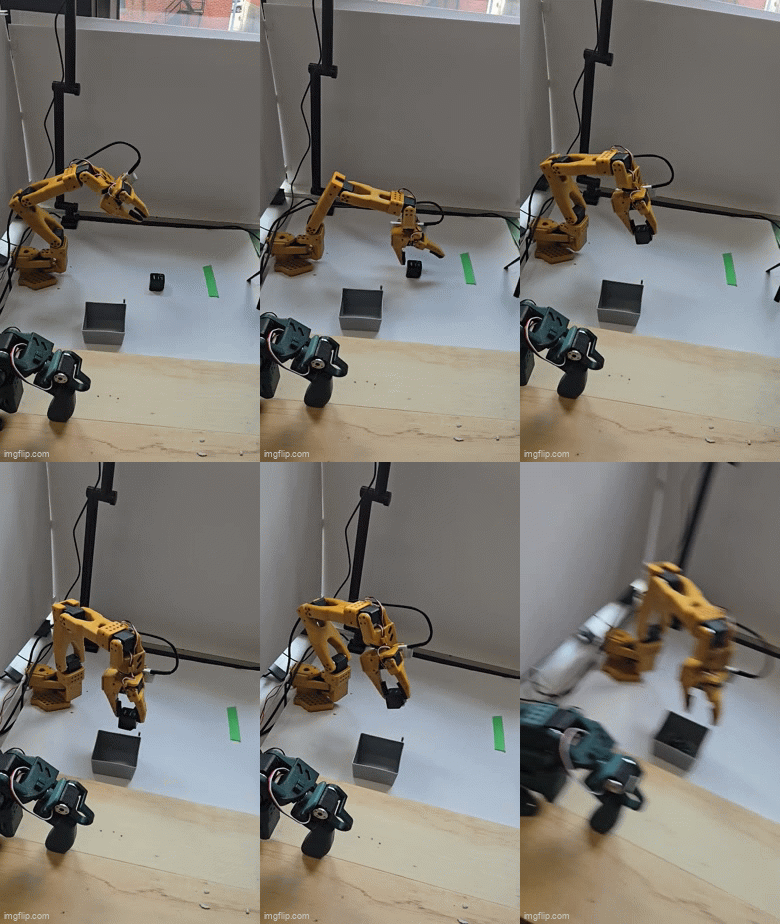
LeRobot — Intro to Imitation Learning
A summer project into imitation learning, VLA models, and the Hugging Face robotics ecosystem — learning how to make robots learn from demonstration.
Overview
The day after Robowars 2025 ended, a friend and I started this project. No competition deadline, no course requirement — just curiosity about the frontier of AI-powered robotics.
The goal was simple: understand how modern robots learn from human demonstrations. We spent the summer exploring imitation learning, Vision-Language-Action (VLA) models, and the tools that make them accessible.
What We Explored
Hugging Face Ecosystem
- Navigating the Hugging Face platform for robotics
- Understanding model cards, datasets, and deployment workflows
- Learning how the open-source ML community shares robotics research
LeRobot Framework
- Setting up and running the LeRobot framework
- Understanding the data collection pipeline
- Training policies from demonstration data
Imitation Learning Fundamentals
- What is imitation learning vs reinforcement learning?
- Behavior cloning and its limitations
- Action Chunking Transformers (ACT) architecture
Vision-Language-Action Models
- How VLA models combine vision, language, and action
- The promise of generalized robotic policies
- Current state of the field and research directions
Why This Mattered
This wasn't about building a deliverable — it was about building intuition. By the end of the summer, we understood:
- How to collect demonstration data for robot learning
- How transformer architectures are applied to robotics
- The gap between current capabilities and general-purpose robots
- What tools exist for researchers and hobbyists
Team
Just me and a friend, both learning together. No defined roles — we explored the same material, ran the same experiments, and discussed what we found.
What's Next
This project laid the foundation for MIMIC, my capstone project focused on bimanual manipulation using VLA models. The summer exploration turned into a year-long research direction.